Showing 121–132 of 260 articles

9 April 2026
franceNice and the French Riviera: A Practical Travel Guide
Nice is the most affordable base on the Côte d'Azur, with Monaco 20 minutes east and Antibes 15 minutes west. Here's how to use it without the resort-town markup.
Henrik Vinter
9 April 2026
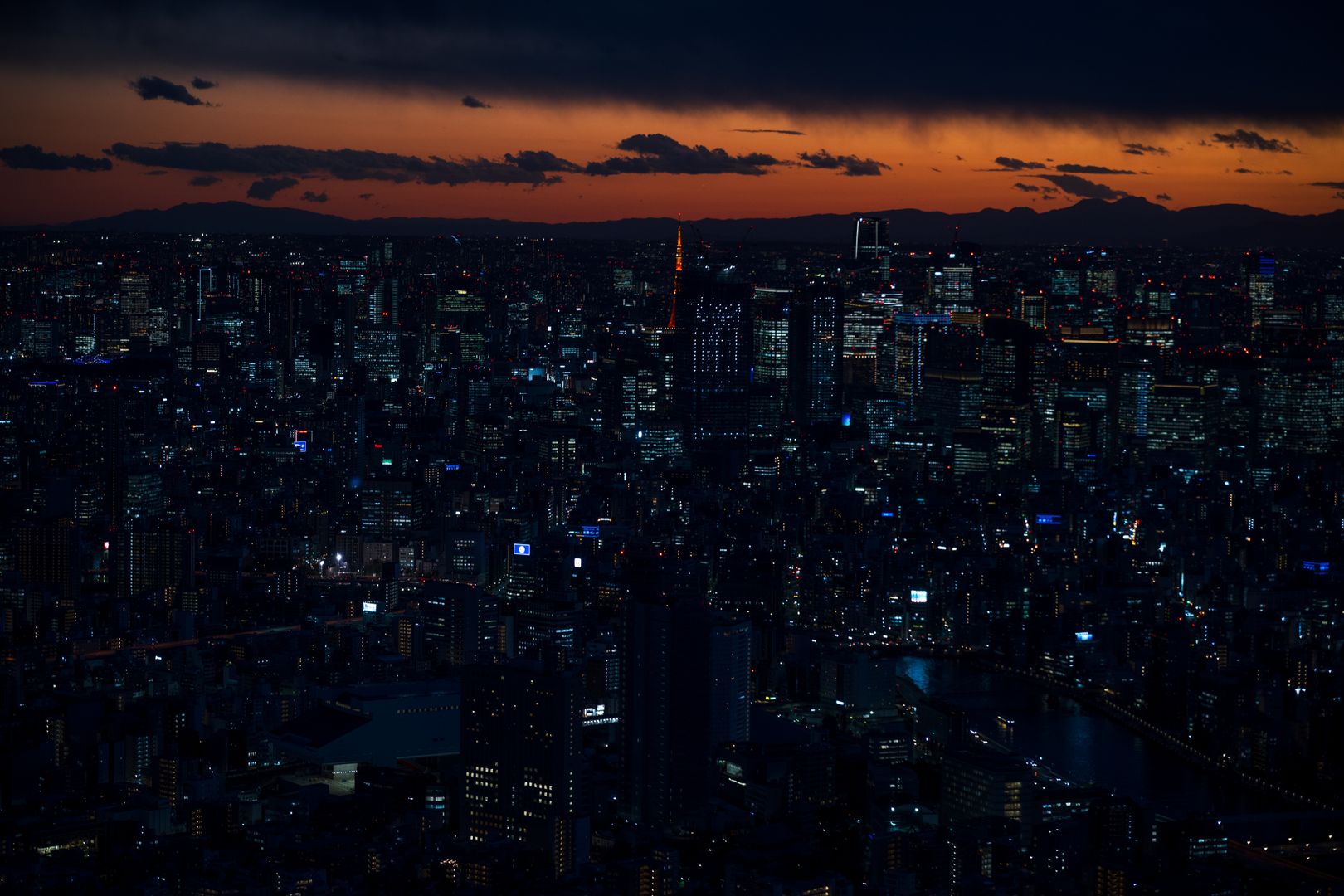
japanTokyo Neighbourhoods: Where to Stay and What Each Area Is Like
Tokyo spans 627 km² across 23 special wards and over 40 distinct neighbourhoods, each with its own character, price tier, and convenience profile. Where you stay determines your daily commute pattern and which parts of the city feel accessible — staying in the wrong area for your interests can add 45 minutes of transit time to every outing. The Yamanote Line, the circular JR loop connecting 29 stations in 60 minutes, forms the city's backbone. East of it (Asakusa, Ueno, Akihabara) tends toward tradition and affordability; west (Shinjuku, Shibuya, Harajuku, Omotesando) leans contemporary and expensive. Understanding this geography before booking is more useful than comparing hotel star ratings.
Henrik Vinter

8 April 2026
chinaLhasa Travel Guide: Potala Palace, Permits, and Altitude Sickness
Lhasa is one of the most remote capital cities in the world, sitting at 3,650 metres on the Tibetan Plateau. Getting there requires special permits and a body that can handle thin air. Here's what to know before you go.
Henrik Vinter
7 April 2026
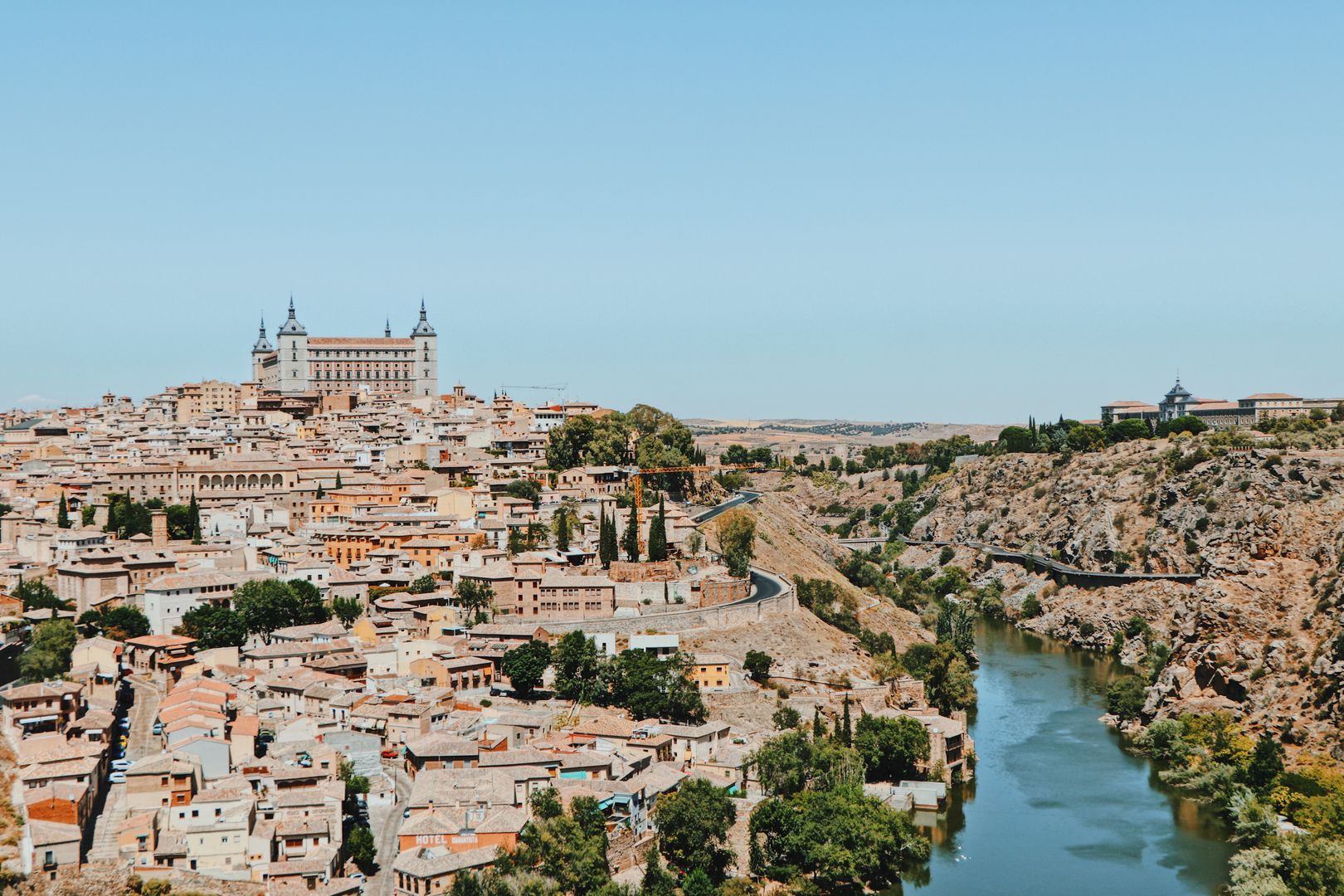
spainToledo Day Trip Guide: Spain's Medieval Capital One Hour from Madrid
Toledo sits 70km south of Madrid on a granite hill ringed by a bend in the Tagus river — a 16th-century city so unchanged that it functions as a three-dimensional archive of Christian, Jewish, and Islamic coexistence. The problem is timing: on a weekend in July, tour buses outnumber residents; on a weekday morning in November, it's one of the most spatially coherent old towns in Europe. Getting the timing right separates a memorable visit from a queue-management exercise.
Henrik Vinter
7 April 2026
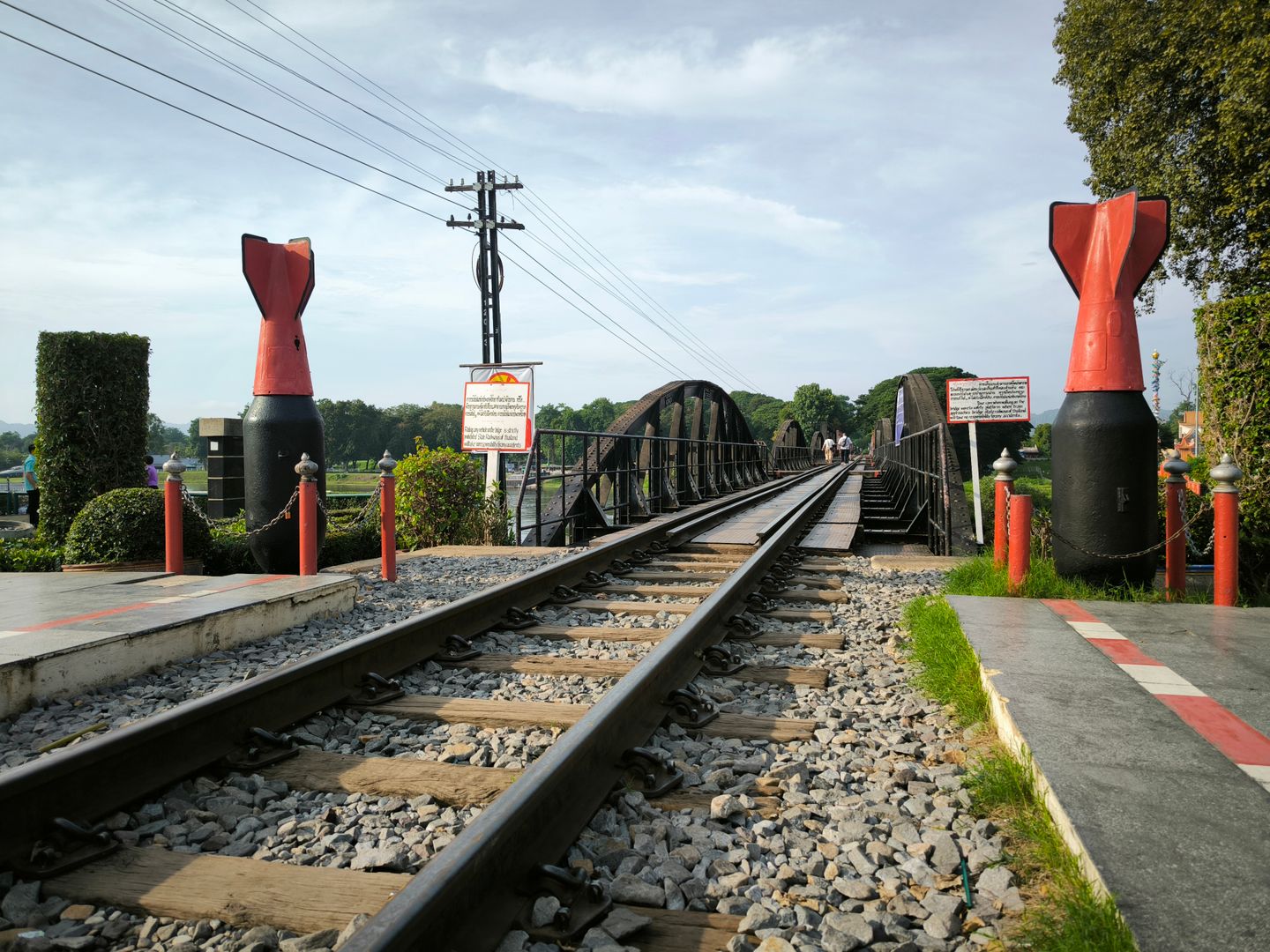
thailandKanchanaburi Travel Guide: The Bridge, the Railway, and the Falls
Two hours from Bangkok, Kanchanaburi combines World War II history with jungle waterfalls and riverside guesthouses. Here's what to see and how to make the most of it.
Henrik Vinter
6 April 2026
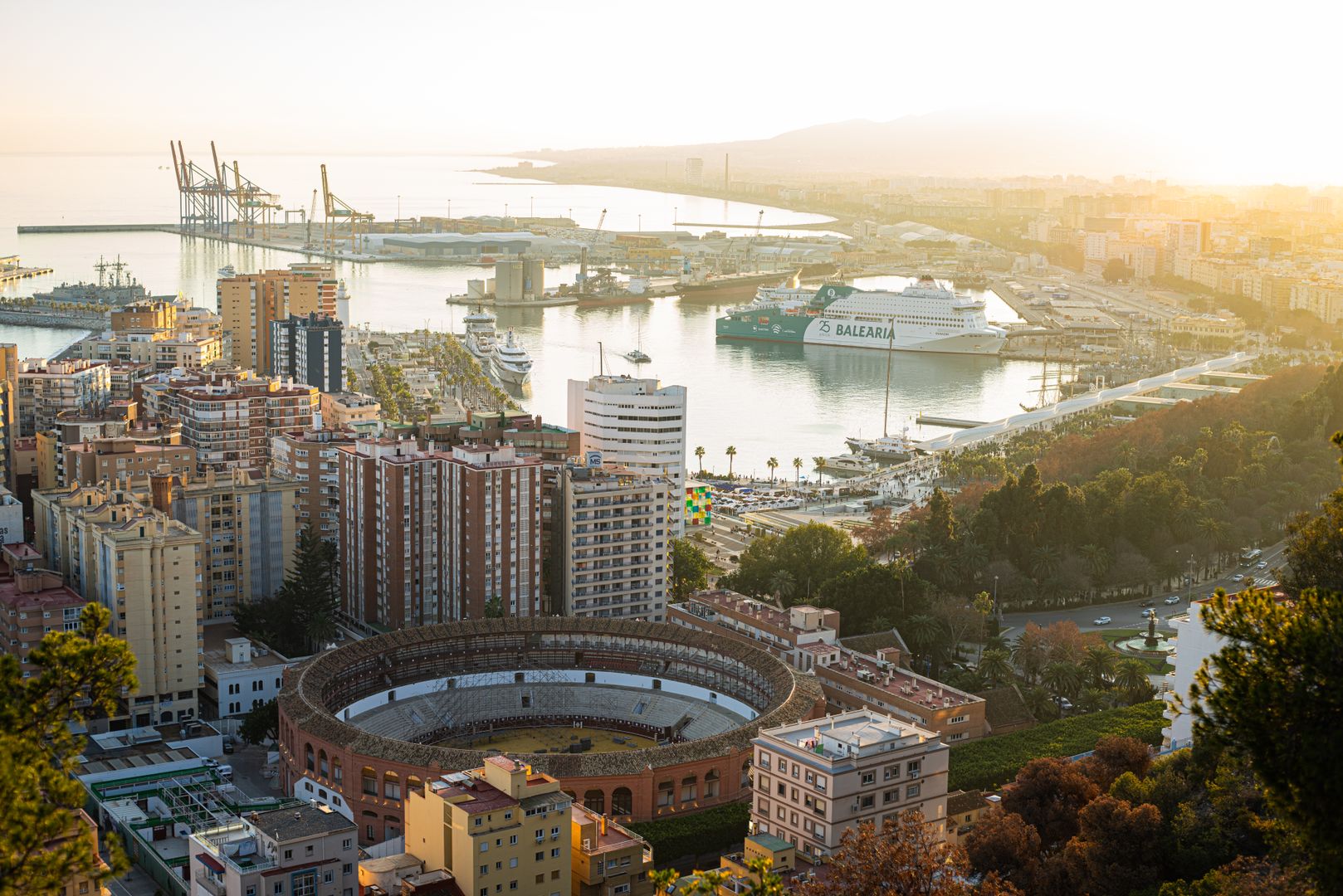
spainMálaga and the Costa del Sol: Beyond the Package Holiday
Málaga Airport is Spain's third busiest, but most travellers treat it as a car rental depot—a stepping stone to somewhere else. That mistake costs them. Málaga is Picasso's birthplace and a functioning Mediterranean port city with a restored 16th-century centre, 200+ works in a museum that fits nowhere else, and reliable 17°C January weather. The Costa del Sol extends 150km east and west: Nerja has actual charm; Marbella has money and boats; Tarifa has kitesurfing and Africa visible across the strait. Skip the airport transfer and stay three days.
Henrik Vinter

5 April 2026
spainValencia Travel Guide: Paella, Architecture, and the City of Arts and Sciences
Valencia is the city where paella was invented—not as cuisine tourism, but as the daily lunch of farmers and fishermen in the Turia region. It's also where a catastrophic 1957 flood prompted the diversion of an entire river, transforming the old riverbed into a nine-kilometre park that now hosts Santiago Calatrava's €1.3 billion futuristic cultural complex. It has one of Europe's better urban beaches accessible by tram, and a Mediterranean pace that feels distinctly removed from the competitive intensity of Barcelona or the bureaucratic formality of Madrid. Valencia is underrated because it doesn't market itself as aggressively, but the architecture is bolder, the food is less performative, and the crowds are half the size.
Henrik Vinter
5 April 2026
spainBilbao and the Basque Country: Guggenheim, Food, and the Coast
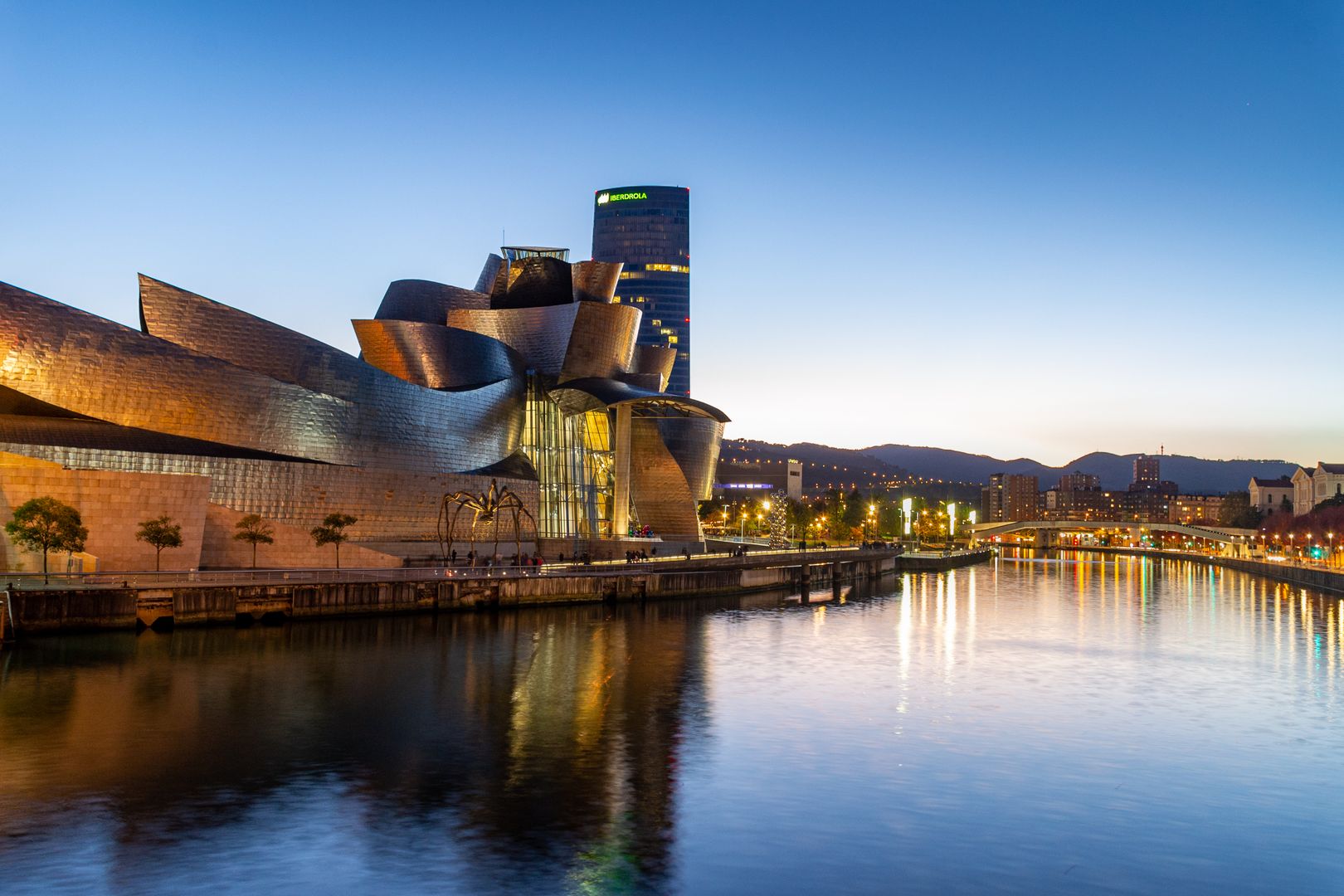
In 1990, Bilbao was dying. The Basque industrial heartland had contracted into unemployment, contaminated rivers, and urban decay. When Frank Gehry's Guggenheim Museum opened in 1997, the building didn't just attract visitors — it forced the city to ask what came next. Twenty-seven years on, the "Bilbao Effect" theory (the belief that iconic architecture alone regenerates cities) remains debated by planners. What's not debatable: Bilbao is now a genuinely good destination. The Guggenheim is essential. The food is serious. The coast is within reach.
Henrik Vinter
4 April 2026
spainSan Sebastián Travel Guide: Pintxos, Beaches, and the Basque Country
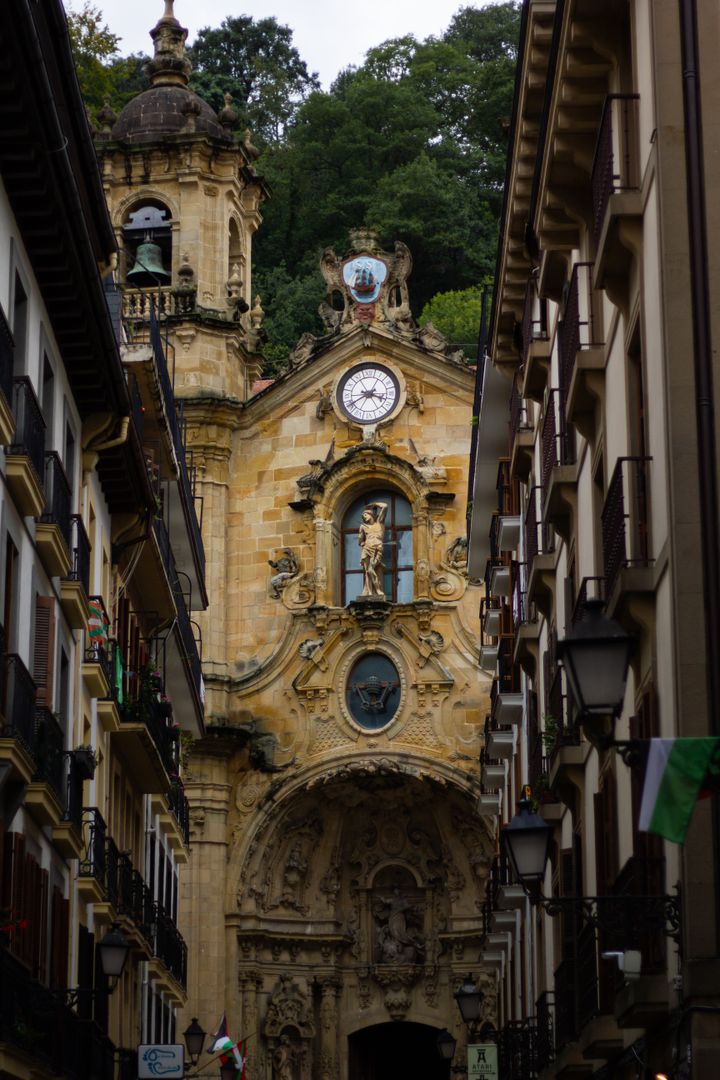
San Sebastián has more Michelin stars per capita than any city in the world — three restaurants with three stars (Arzak, Akelarre, Martín Berasategui) serving a population of 190,000. It also has pintxos bars where €15 buys a sequence of small plates and drinks that outrank most European fine-dining experiences. Both claims are true. This is not a destination for one or the other; it's a city where the food culture splits cleanly between haute cuisine restaurants booked eight weeks ahead and a street-level pintxos circuit that operates every evening in the Parte Vieja (Old Town), where locals and travellers stand at the bar, order rounds of txakoli, point at skewers and croquetas, and move to the next bar. Understanding the distinction — and how to navigate each — is the core of a San Sebastián visit.
Henrik Vinter

3 April 2026
spainGranada Travel Guide: The Alhambra, the Albaicín, and How to Do It Right
The Alhambra sells out months in advance. Book tickets now—at least 6 to 8 weeks ahead if you're arriving in spring (March–May), or 2 to 4 weeks for autumn and winter. Arrive without a reservation and you will not get in, regardless of how flexible the rest of your trip is. This single fact overrides every other planning decision for Granada.
Henrik Vinter
3 April 2026
spainThe Canary Islands: Choosing Between Tenerife, Gran Canaria, and Lanzarote
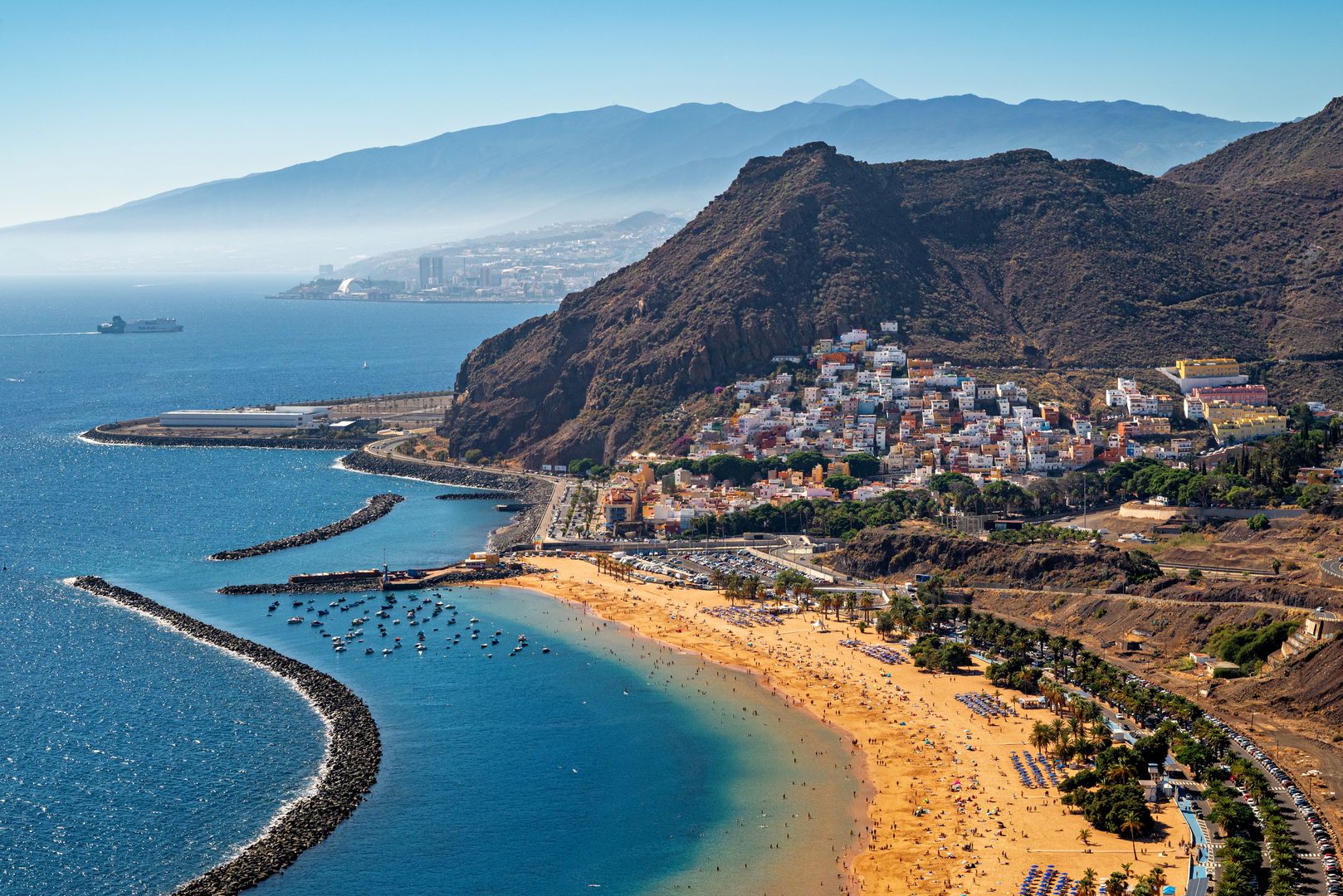
The Canary Islands sit 100km off the coast of Africa yet belong to Spain—making them the winter escape route for northern Europeans seeking guaranteed warmth without leaving the EU. Average temperatures range from 21–26°C even in January, and direct budget flights from the UK and Scandinavia mean the islands are 4–5 hours away. They are why functional winter tans exist north of the Alps. But the four main islands are fundamentally different: Tenerife is the package resort anchor, Gran Canaria offers variety compressed into one island, Lanzarote is geologically distinctive, and Fuerteventura is the wind-and-sand extreme. Choosing between them requires knowing what each actually does well—not just which is most famous.
Henrik Vinter

2 April 2026
spainMadrid Travel Guide: What First-Timers Actually Need to Know
Madrid is Spain's capital and the most uncompromisingly Spanish of the country's major cities — it makes no particular effort to accommodate non-Spanish speakers, eats dinner at 10pm, and houses a museum collection that rivals Paris. Barcelona is more internationally polished, has the sea, and markets itself as a destination. The two cities appeal to different people entirely, and knowing which you are saves both time and argument.
Henrik Vinter